
We're Here to Assist You
Scorpion Control: A Recent Job & Some Homeowner Tips
Category: Holiday
Published: July 01, 2026
By Peter, Owner, Power Pest Control
What I Walked Into
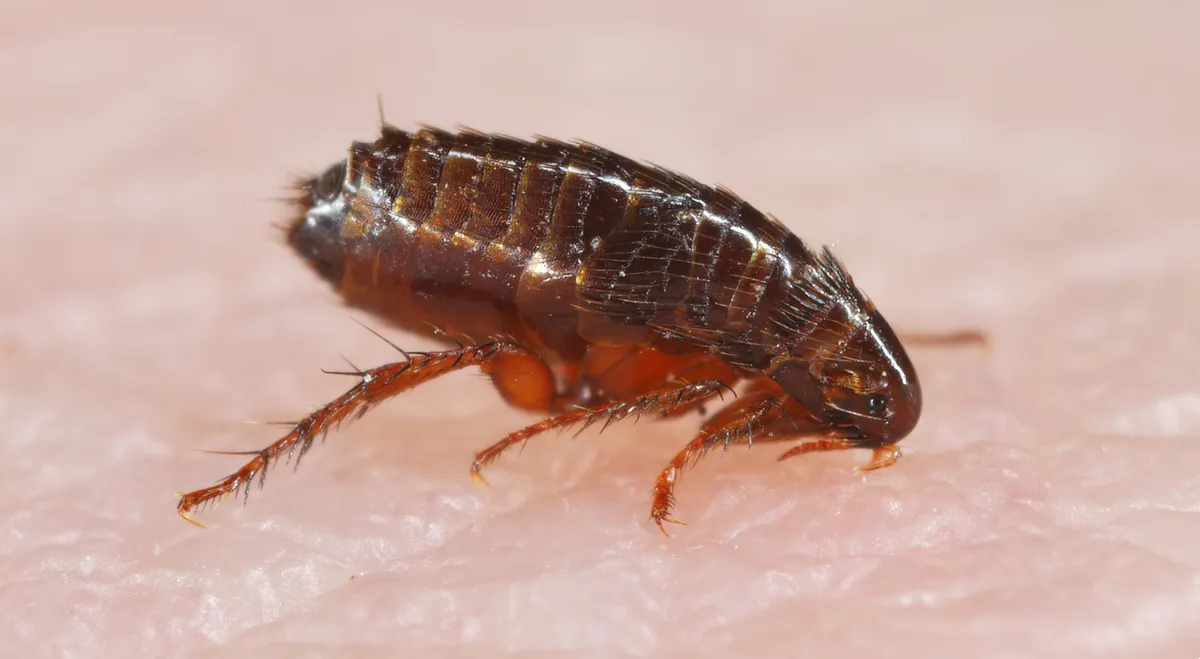
July brought me to an Etobicoke home where the owners and their dog had begun experiencing recurring flea activity.
The homeowners first noticed their dog scratching more frequently. Soon afterward, they saw small jumping insects around the living-room carpet and the dog’s sleeping area.
They had washed the pet bedding and treated their dog, but the activity returned. During my inspection, I found that the concern extended beyond the pet and involved several areas where flea eggs and immature stages could remain hidden.
The Problem
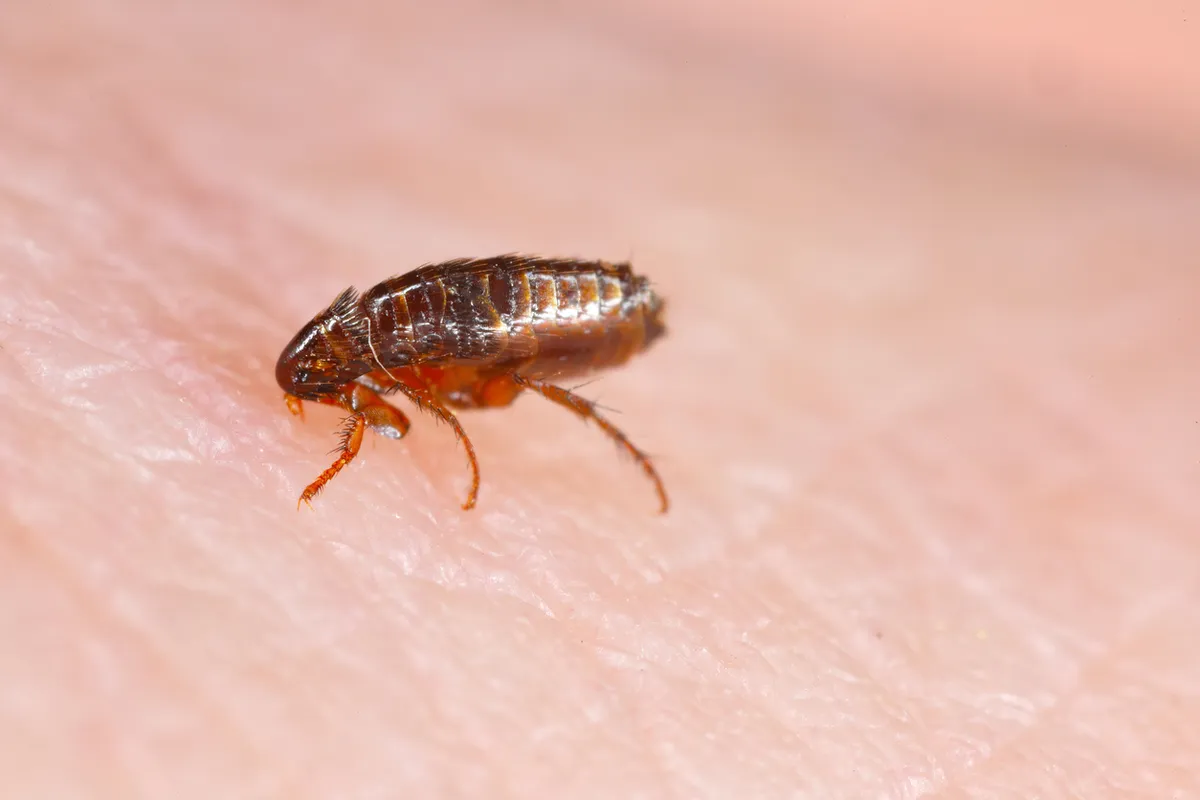
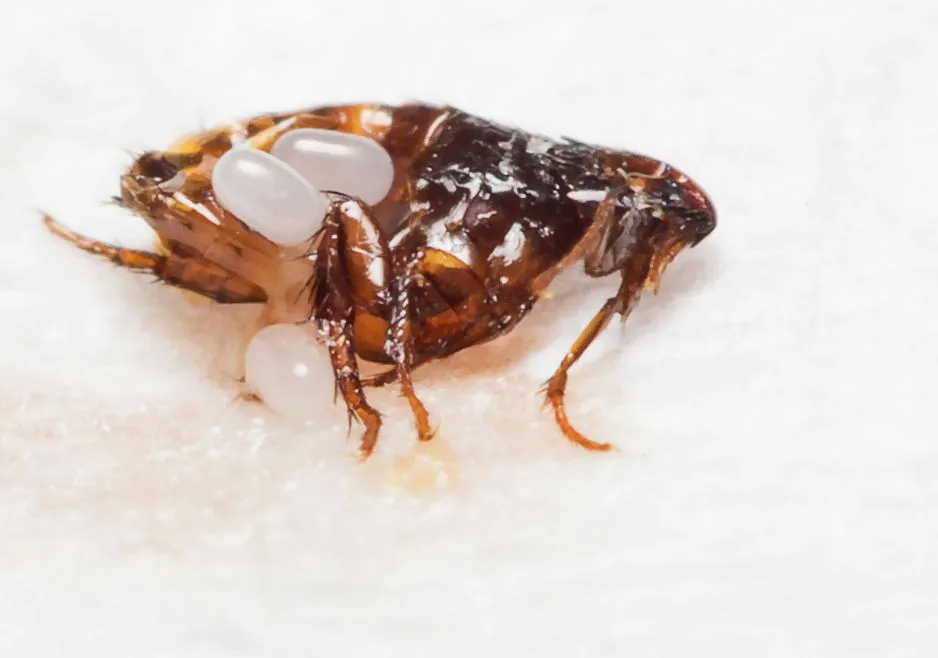
Adult fleas commonly remain on animals, while eggs, larvae and pupae can develop in carpets, upholstery, floor gaps and pet-resting areas.
At this property, the dog regularly moved between the living room, hallway and an outdoor resting area. This created several locations where flea activity could continue.
Treating only the pet did not address the developing fleas around the home. The property and the animal needed to be managed at the same time.
The Process
I inspected the dog’s bedding, carpet edges, upholstered furniture and the areas where the pet spent the most time.
I explained the flea life cycle and why activity can continue after visible adult fleas are removed. Hidden pupae can remain protected before emerging later.
The service plan focused on the qualifying indoor activity areas. I also recommended regular vacuuming, laundering pet bedding and discussing appropriate flea treatment with a veterinarian.
Coordinating these steps helped address both the property and the conditions supporting continued activity.
The Outcome
After the service and consistent cleaning routine, the homeowners noticed a steady reduction in flea activity.
They continued vacuuming carpets and furniture edges and washed the dog’s bedding as recommended. They also followed their veterinarian’s advice for treating the pet.
The homeowners understood that flea control is a process rather than a single action. Addressing the pet, the home and the flea life cycle together produced a more complete response.

DIY Advice
If you notice flea activity, I recommend these steps:
Check pets regularly for fleas and flea debris.
Speak with a veterinarian about suitable pet treatment.
Wash pet and family bedding in hot, soapy water.
Vacuum carpets, upholstery and floor edges regularly.
Empty the vacuum outdoors into a sealed bag.
Clean beneath furniture and around pet-resting areas.
Inspect areas where pets rest or play outside.
Avoid using products on pets unless the label approves them for that animal.
Never use a flea product intended for dogs on a cat unless a veterinarian confirms that it is safe.
"It's brighter than before!"
— Megan
Professional Insight
Flea activity may continue temporarily even after the pet and property have been treated. This does not always mean that the service failed.
Protected pupae can remain hidden before emerging as adult fleas. Regular vacuuming may help encourage emergence while removing some eggs and larvae.
Professional service is most effective when homeowners complete the recommended preparation, maintain their cleaning routine and coordinate pet care with a veterinarian.
Closing Thoughts
This July job showed why treating the pet alone may not resolve flea activity throughout a home.
If fleas are present, focus on the areas where pets sleep, rest and spend time. Wash bedding, vacuum consistently and arrange appropriate veterinary care.
If the activity continues, Power Pest Control can inspect your Etobicoke property and recommend service based on the areas and conditions we find.
— Peter, Owner - Power Pest Control

Services
Address
39 Advance Rd, Etobicoke, ON M8Z 2S6
Contact Us
Call: (437) 476-8923
© 2026 Power Pest Control. All Rights Reserved.